Why Simple Italian Cooking Still Feels Like a Love Language
Italian cooking has a way of making you feel like you’re home, even if you’re miles away from the Mediterranean. It’s not about precision or perfection; it’s about warmth. Every recipe feels like an invitation to slow down, pour a glass of wine, and cook with care instead of speed.
At its core, Italian food isn’t about showing off. It’s about showing up for yourself, for your people, for the table. Maybe that’s why it still feels like one of the most universal expressions of love.
A Lesson in Less
Italian food thrives on simplicity. It’s a cuisine built on trust. Trust that the ingredients are good enough to speak for themselves, and trust that you don’t need to overcomplicate what’s already beautiful.
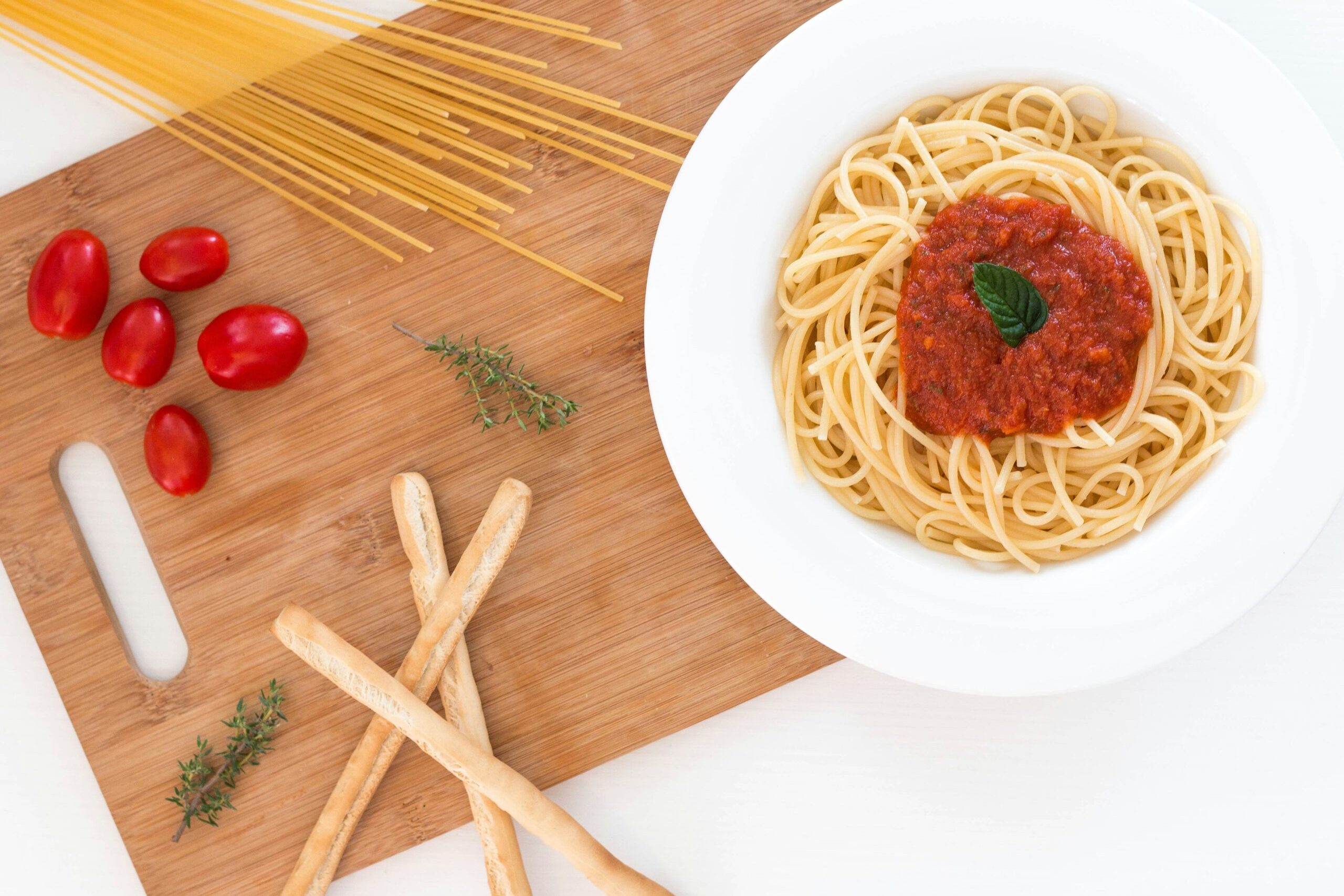
Take a classic pasta al pomodoro. It’s nothing more than ripe tomatoes, olive oil, garlic, salt, and patience. Yet when made right, it tastes like sunshine and time. The restraint is the magic.
This kind of cooking reminds you that more isn’t always better. A drizzle of olive oil instead of a heavy sauce, a few shavings of Parmesan instead of a mountain. Every choice feels deliberate.
The simplicity forces presence. You taste as you go, adjust by instinct, and learn that care often looks like knowing when to stop adding.
Cooking as Connection
Italian meals aren’t meant to be rushed. They begin long before anyone sits down. You roll out dough, stir sauce, open wine, and tell stories. There’s laughter in the kitchen and music playing softly in the background.
Even when you’re cooking alone, there’s a sense of company. It’s almost impossible to make Italian food and feel disconnected. The process itself pulls you back into your senses. The smell of simmering garlic, the warmth of a pan handle, the first bite that feels earned.
The table becomes the reward. The kind of meal that stretches longer than planned because no one wants it to end.
Beyond Nostalgia
For many of us, Italian food is wrapped up in memories. Maybe it’s a family dinner, a date, a favorite restaurant. But it’s also timeless because it translates across generations and cultures.
Cooking something Italian feels familiar even when it’s new. Maybe it’s because it isn’t about chasing novelty. It’s about belonging. The food says, “you’re welcome here,” no matter where you’re from.
In a world that glorifies multitasking and convenience, Italian cooking is a rebellion in the best possible way. It’s permission to slow down and care deeply about something simple.
The Heart of It
Italian food endures because it never lost its reason for existing. It’s nourishment with heart, flavor with soul, and simplicity with purpose.
All this is to say, love doesn’t always need grand gestures. Sometimes it just looks like salt, garlic, olive oil, and a little time.